
Smoked Pulled Pork
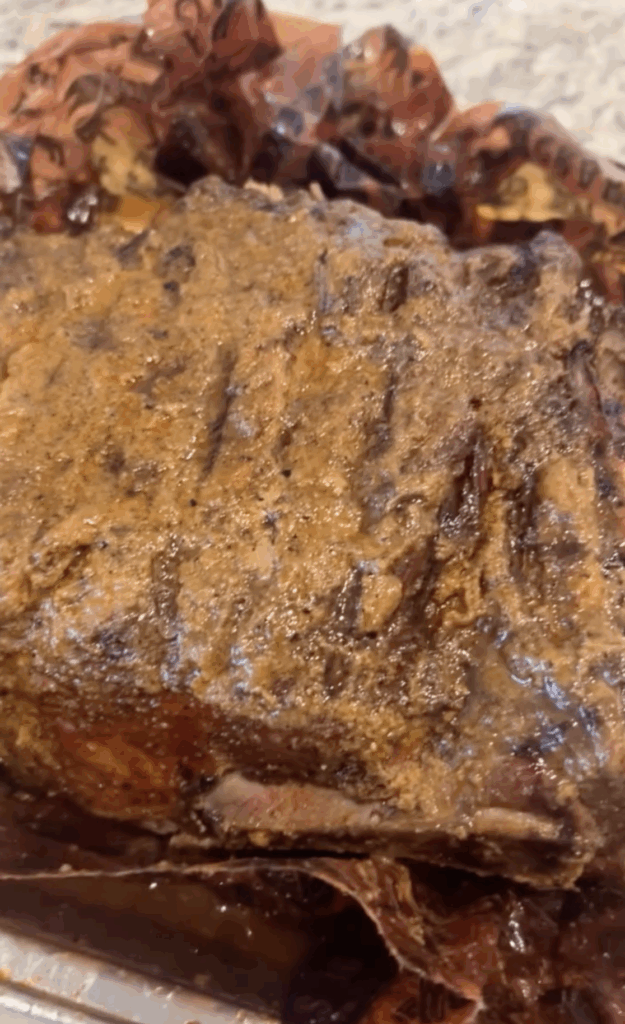
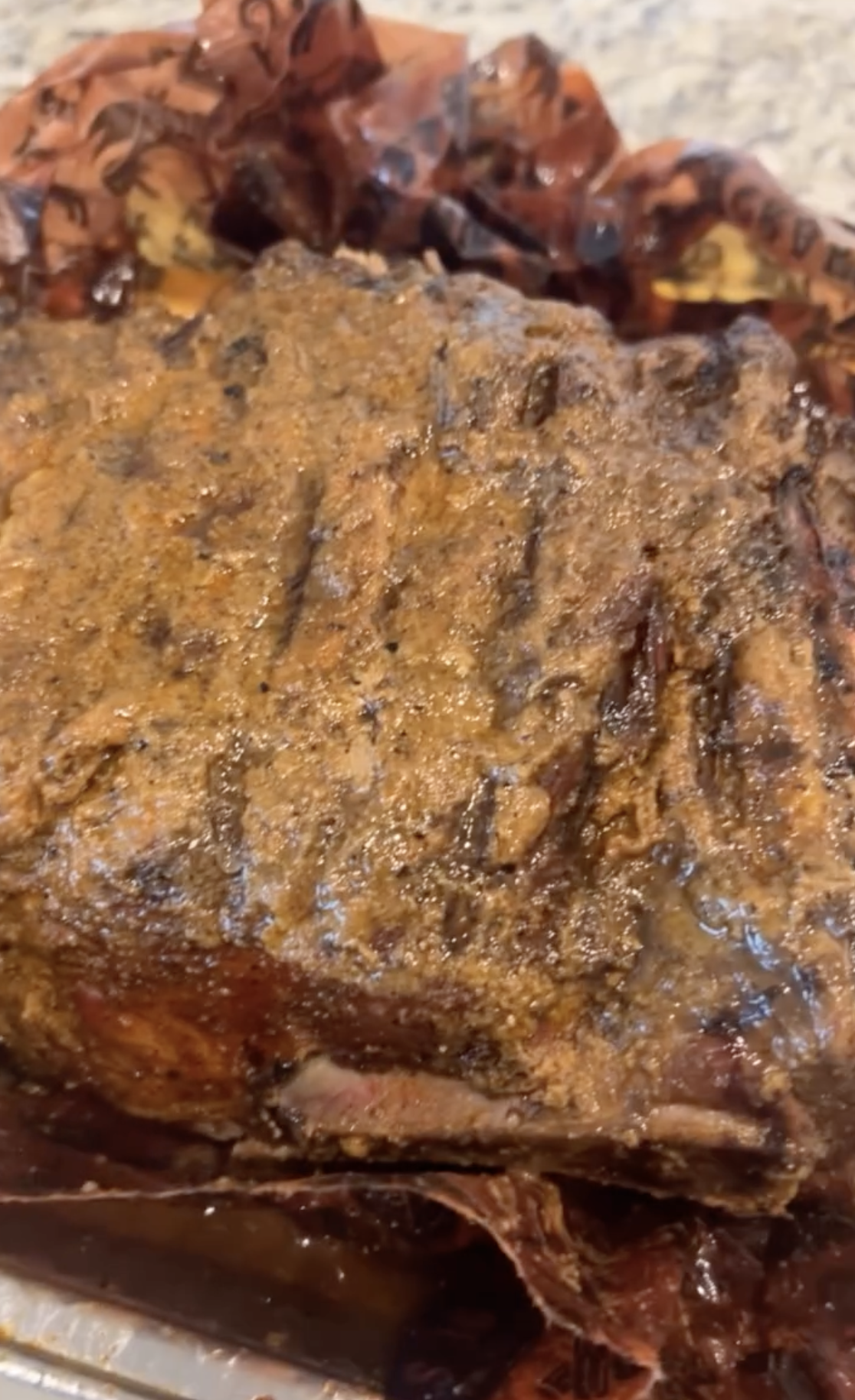
There are meals you make and there are meals you spend a day on that feed everyone for a week and taste better with every hour they smoke. Smoked pulled pork is the second kind. A Boston butt coated in yellow mustard and covered in a bold Cajun BBQ rub, set fat-side up on the Pit Boss at 225°F, and left to smoke low and slow for as many hours as it takes to reach that 195 to 203°F internal temperature where the connective tissue has fully broken down, the fat cap has rendered into the meat, and every fiber pulls apart with almost no effort. Rest it wrapped for at least an hour and what you shred is impossibly moist, deeply smoky, and seasoned all the way through.
A Quick Look At The Recipe
- Recipe Name: Smoked Pulled Pork
- Main Ingredients: pork butt, Yellow mustard, Lanyap BBQ Rub or your favorite Cajun-style rub, Apple juice or apple cider vinegar, Wood pellets
- Why You'll Love It: This smoked pulled pork recipe uses a Cajun BBQ rub on a Boston butt smoked low and slow on a Pit Boss until fall-apart tender. Perfect for tacos, sliders, and Louisiana-style poboys.
The beauty of pulled pork is what comes after. It feeds a crowd from one cook and transforms into something different every time you serve it. Tacos with lime and cilantro. Sliders with creamy coleslaw on brioche. Louisiana-style poboys on French bread with Blue Plate mayo, shredded lettuce, tomato, and pickles — the kind of sandwich that makes you feel like you’re eating something genuinely regional rather than just a pulled pork sandwich. Make it once and eat well for days.
Why You’ll Love This Recipe
One cook, multiple meals all week. A 6 to 8 pound pork butt produces enough shredded meat for tacos, sliders, poboys, rice bowls, pasta, pizza, and anything else you can think to put pulled pork on. It’s one of the highest-yield home cooking investments you can make.
The bark is the reason. Mustard binder, generous Cajun rub pressed in firmly, hours of slow smoke at 225°F — the result is a dark, deeply seasoned, slightly crispy exterior crust on every surface that adds a textural and flavor complexity that properly smoked pulled pork simply has and oven-braised pork never quite achieves.
Low and slow is the only way. The connective tissue in a Boston butt requires time at low temperature to fully break down into collagen and then into gelatin. Rushing the cook at higher temperatures produces tough, dry pulled pork. The long, patient smoke at 225°F is what produces the fall-apart tender, moist result that makes this cut one of the best things you can put on a smoker.
The Louisiana poboy format is a revelation. French bread, Blue Plate mayo, shredded lettuce, tomato, and pickles with a pile of smoky pulled pork is a specific and extraordinary sandwich combination that puts every other pulled pork serving format in perspective.
It reheats and freezes beautifully. Make the full cook, shred everything, portion into bags, and freeze. You have pulled pork for months with none of the additional effort.
Ingredients Needed to Make Smoked Pulled Pork
Simple ingredients, long time, exceptional result. Here’s what you need:
- Pork butt or Boston butt, 6 to 8 lbs (the shoulder section of the pig with significant fat marbling and connective tissue that breaks down during the long smoke into the moist, pullable result you’re looking for; bone-in produces slightly more flavor but boneless is easier to shred)
- Yellow mustard (the binder that helps the rub adhere to the surface and contributes to bark formation)
- Lanyap BBQ Rub or a quality Cajun-style BBQ rub (the seasoning crust that becomes the bark; press it in firmly and don’t be conservative with the amount)
- Apple juice or apple cider vinegar for spritzing, optional (keeps the surface moist between smokes and adds a subtle sweetness or tang to the bark)
- Wood pellets (hickory for bold smokiness, apple for a sweeter, more delicate smoke, pecan for a medium-intensity nut-forward smoke; all three are excellent and a mix of hickory and apple is a widely loved combination)
How to Smoke a Pork Butt
One prep step, one long smoke, one rest period.
Step 1: Prep the Pork
Remove the pork butt from the refrigerator 30 to 45 minutes before smoking to take the chill off slightly. Pat completely dry on all sides with paper towels. Dry surfaces form bark more effectively than wet ones. Coat every surface generously with yellow mustard, working it into any folds or crevices in the meat. The mustard layer should be thin but complete.
Step 2: Apply the Rub
Cover the mustard-coated pork butt completely with the Lanyap BBQ Rub, pressing it firmly into the surface on all sides so it adheres rather than sitting loosely. This is where the bark starts. A heavy, well-pressed rub creates a thick seasoning crust that will deepen and caramelize over the hours of smoke into the dark, flavorful bark that is the hallmark of properly smoked pulled pork.
Step 3: Preheat and Start the Smoke
Preheat the Pit Boss smoker to 225°F with your chosen wood pellets. Allow it to come fully to temperature and stabilize before placing the meat on the grates. Place the pork butt fat-side up in the center of the grate. The fat cap facing up allows the fat to render slowly over the course of the cook, basting the meat beneath it naturally throughout the entire smoke.
Step 4: Smoke Low and Slow
Close the lid and don’t open it for at least the first 3 hours. This initial uninterrupted period is when the smoke ring forms and the bark begins to develop. After 3 hours, if you’re spritzing, begin doing so every 1 to 2 hours with apple juice or apple cider vinegar sprayed directly over the surface. This adds a small amount of moisture to the bark and helps deepen the color and flavor without washing the rub off.
Smoke at 225°F for approximately 1 1/2 hours per pound until the internal temperature reaches 195 to 203°F. Use a reliable instant-read thermometer and check in the thickest part of the meat away from the bone. At 195°F the pork is done. At 203°F it is exceptional. The probe test is equally important — the thermometer probe should slide into the thickest part of the pork with zero resistance, like probing warm butter, before you pull it off the smoker.
Step 5: Wrap and Rest
Remove the pork from the smoker and wrap it tightly in a double layer of heavy-duty foil or butcher paper. Place it in a cooler with towels packed around it or in a warm oven set to the lowest temperature. Rest for at least 30 minutes and ideally a full hour. The rest period allows the internal temperature to equalize throughout the meat and the muscle fibers to relax and reabsorb the juices that have been pushed toward the center during cooking. Pulled pork rested for an hour is significantly more moist and juicy than one pulled immediately off the smoker.
Step 6: Pull and Serve
Unwrap and place the rested pork in a large pan or on a cutting board. Remove the bone if bone-in. Use two forks or meat claws to shred the pork by pulling the meat apart along the natural grain. The pork should pull apart with minimal effort. Mix the shredded meat with any accumulated juices from the foil for maximum moisture and flavor. Taste and adjust seasoning if needed.
Smoked Pulled Pork
Ingredients
Method
- Pat the pork butt completely dry with paper towels. Coat every surface generously with yellow mustard, which acts as a binder for the rub and adds a subtle tang to the bark.
- Cover the entire pork butt with the Lanyap BBQ Rub, pressing it firmly into all sides and crevices. Don’t be conservative. A thick, well-pressed rub is what builds the bark.
- Preheat your Pit Boss smoker to 225°F. Place the pork butt fat-side up on the grates. Smoke low and slow for approximately 1 1/2 hours per pound, or until the internal temperature reaches 195 to 203°F. If spritzing, do so every 1 to 2 hours with apple juice or apple cider vinegar starting after the first 3 hours.
- Once the pork reaches temperature and probes like butter with no resistance, remove from the smoker. Wrap tightly in foil or butcher paper and let it rest in a cooler or warm oven for at least 30 to 60 minutes before pulling.
- Shred with two forks or meat claws. Serve immediately in your preferred format.
Notes
Fat-side up allows the fat cap to render slowly and baste the meat beneath it throughout the entire cook.
The probe test is more reliable than temperature alone. The pork should slide off the thermometer probe with zero resistance when it’s truly ready.
Don’t skip the rest. Resting for a full hour after the smoke is what allows the juices to redistribute throughout the meat before pulling.